
WHAT'S NEW

The Stem Cell Transplant Process: A Complete Patient Guide




ACCESSORIES

Future Treatments for Blood Disorders: What’s Coming Next

StreetScore scores a street view based on how safe it looks...


WINDOWS PHONE
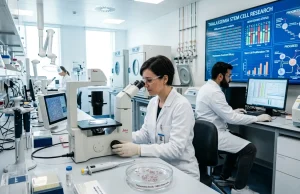
Stem Cell Treatment for Thalassemia: A Complete Guide to Cure and...
LATEST ARTICLES
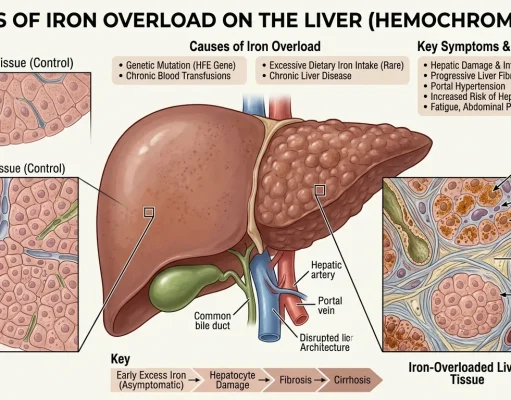
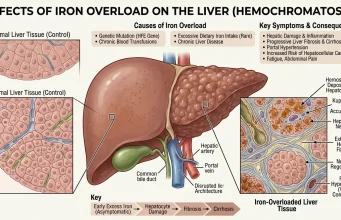
Iron Overload Liver Damage: Causes, Symptoms & Treatment
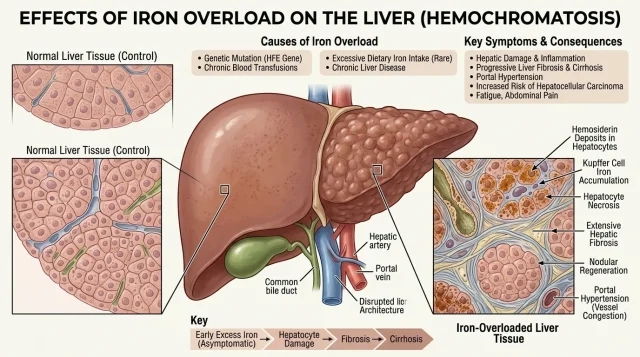
Iron overload liver damage occurs when excess iron accumulates in liver tissue, triggering oxidative stress, fibrosis, and—if untreated—cirrhosis or liver cancer. The most common causes include hereditary hemochromatosis, beta-thalassemia, and frequent blood transfusions. Early diagnosis through blood tests and MRI, combined with phlebotomy or iron chelation therapy, can prevent permanent damage. The liver is the body's primary iron storage organ. Under...
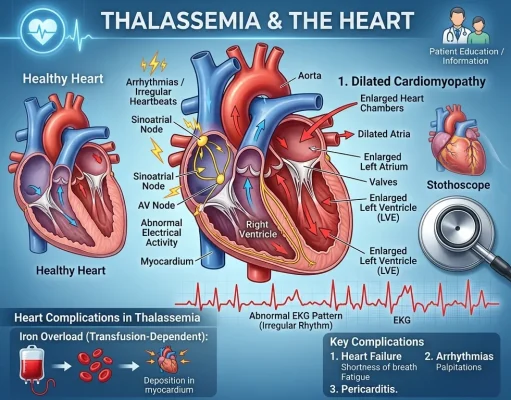
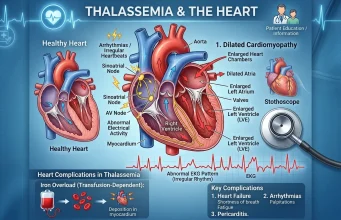
Heart Complications Thalassemia: Risks, Signs, and Care
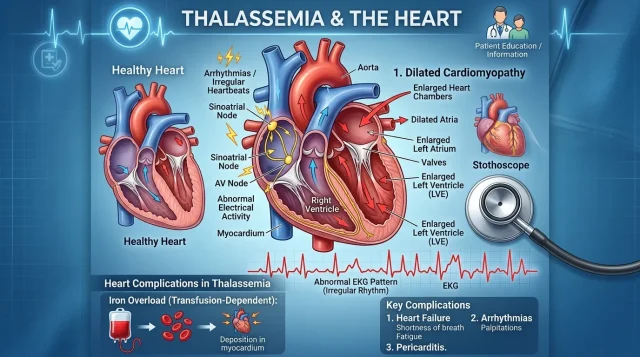
Heart complications thalassemia patients face arise from iron overload and chronic anemia, causing cardiomyopathy, arrhythmias, and pulmonary hypertension—largely preventable with early MRI screening and consistent iron chelation therapy. Heart complications thalassemia patients face stem mainly from iron overload caused by repeated blood transfusions and from chronic anemia. The most serious condition is iron overload heart disease in thalassemia, including iron...
Emerging Treatments for Thalassemia: A New Era of Hope

Discover the latest emerging treatments for thalassemia, including gene therapy, stem cell transplantation, and innovative therapies. Learn how these advances are improving outcomes, reducing transfusion dependence, and offering new hope for people living with thalassemia. Emerging treatments for thalassemia include CRISPR gene editing, lentiviral gene therapy, advanced stem cell transplants, and novel drugs like luspatercept. FDA-approved therapies such as Casgevy...
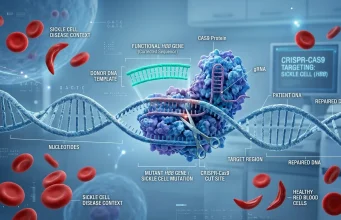
CRISPR Gene Editing Blood Disorders: A Complete Guide
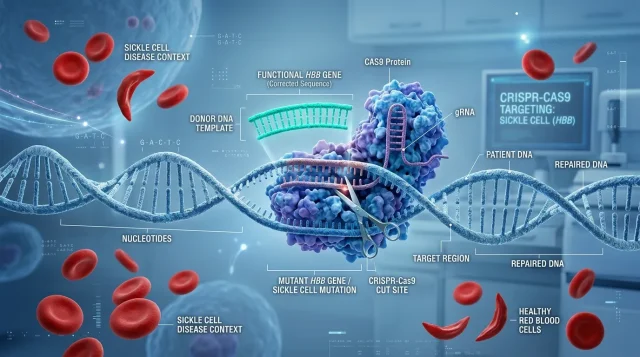
CRISPR gene editing blood disorders research is transforming treatment options for inherited blood diseases. By correcting disease-causing genetic mutations, CRISPR therapy offers the potential for long-term symptom relief, reduced transfusion dependence, and future cures for conditions such as thalassemia and sickle cell disease. CRISPR gene editing blood disorders works by correcting or reactivating the genes that control blood-cell production. For...
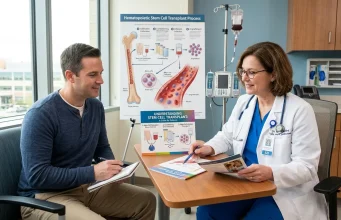
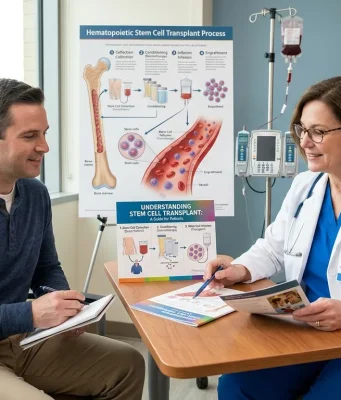
The Stem Cell Transplant Process: A Complete Patient Guide
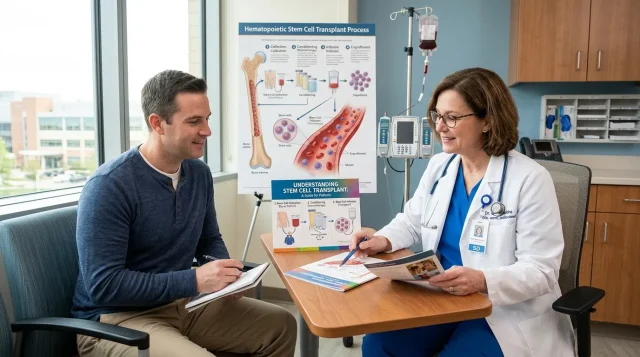
The stem cell transplant process is a specialized treatment used to replace damaged or diseased blood-forming cells with healthy stem cells. The procedure involves patient evaluation, conditioning therapy, stem cell infusion, and recovery monitoring. Understanding the transplant process, recovery period, and potential risks helps patients and families prepare for treatment and improve long-term outcomes. The stem cell transplant process involves...
Gene Therapy for Thalassemia: A New Era of Hope and Healing

Gene therapy for thalassemia aims to correct faulty globin genes or reactivate fetal hemoglobin production using advanced tools like CRISPR. This innovative approach offers long-term relief and a potential cure for patients with severe beta and alpha thalassemia. Gene therapy for thalassemia corrects the genetic defect behind the disease by modifying a patient's own stem cells, often using CRISPR or...
Carrier Screening in Alpha Thalassemia: Importance, Testing, and Prevention

Carrier screening in alpha thalassemia helps identify genetic carriers early, enabling timely prevention, accurate diagnosis, and informed reproductive decisions through genetic testing and prenatal screening to reduce the risk of severe inherited blood disorders. Carrier screening in alpha thalassemia is a crucial genetic testing approach used to identify individuals who carry mutations in the alpha-globin genes. This screening plays a...
How To Prevent Severe Thalassemia: Complete Guide
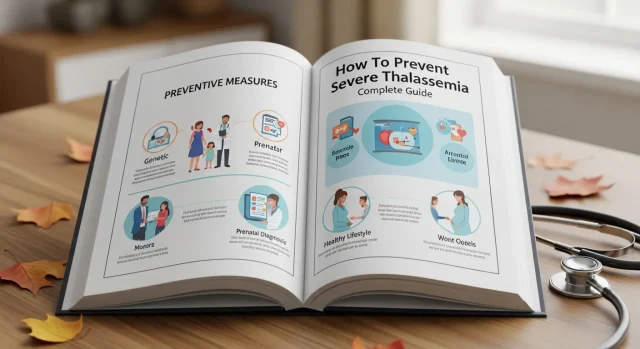
Understanding how to prevent severe thalassemia is essential in reducing the global burden of this inherited blood disorder, which continues to affect millions of families worldwide. Thalassemia is passed from parents to children through genetic mutations that interfere with normal hemoglobin production, leading to chronic anemia and, in severe cases, lifelong medical complications. While it cannot always be completely cured,...
Gene Therapy for Thalassemia: A Complete Guide

Gene therapy for thalassemia explores advanced treatments like CRISPR and stem cell editing to correct genetic mutations. It is currently being studied in clinical trials and offers hope for a long-term or potential cure for inherited blood disorders. Gene therapy for thalassemia is a curative treatment that introduces a functional beta-globin gene or reactivates fetal hemoglobin in a patient’s stem...
Modern Advances in Thalassemia Treatment: The Complete Guide
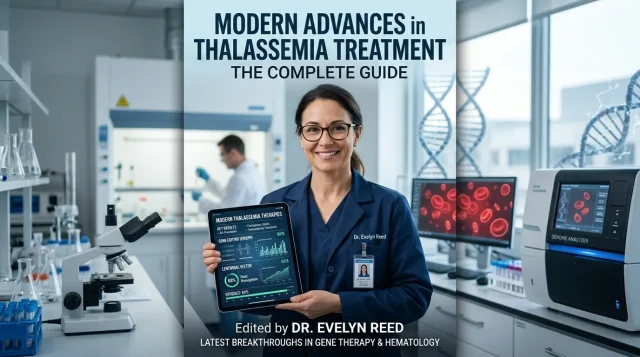
Modern advances in thalassemia treatment include FDA-approved gene therapies (Zynteglo and Casgevy), improved stem cell transplants, the drug luspatercept, better oral iron chelators, and CRISPR gene editing—several of which now offer a potential one-time cure. For decades, living with severe thalassemia meant one thing: a lifetime of regular blood transfusions and iron chelation therapy. These treatments helped patients survive and...